August 24, 2023 · Sanket Patel
What type of lease is most common in retail space?
If you’re a tenant searching for commercial real estate space, distinguishing between various lease options offered by landlords can be challenging. Understanding the types of leases available and what each structure includes or excludes in the quoted rent price is crucial for effective budgeting when securing yo

- commercial
- common
- estate:
- lease
- most
- real
- retail
- space!
- type
- uncategorized
- what
What type of lease is most common in retail space? is the focus of this Alberta briefing for buyers, owners, and operators comparing Calgary-region options.
Key takeaways
- Read What type of lease is most common in retail space? as education, then verify current rules with the municipality and your lawyer before you act.
- Compare the Calgary region inventory and solds locally—citywide Alberta averages can mislead a single file.
- Use Properties and Businesses for live MLS® context, then tour shortlisted sites in real weather.
- Keep financing, inspection, and document conditions on a dated calendar; therefore missing a waiver deadline has consequences.
- Confirm program eligibility, permits, or lending terms on CMHC, City of Calgary, or Alberta.ca rather than relying on a blog date.
- Book a free consultation when you want file-specific strategy; nothing here guarantees price, timeline, or investment return.
If you’re a tenant searching for commercial real estate space, distinguishing between various lease options offered by landlords can be challenging. Understanding the types of leases available and what each structure includes or excludes in the quoted rent price is crucial for effective budgeting when securing your next commercial space.
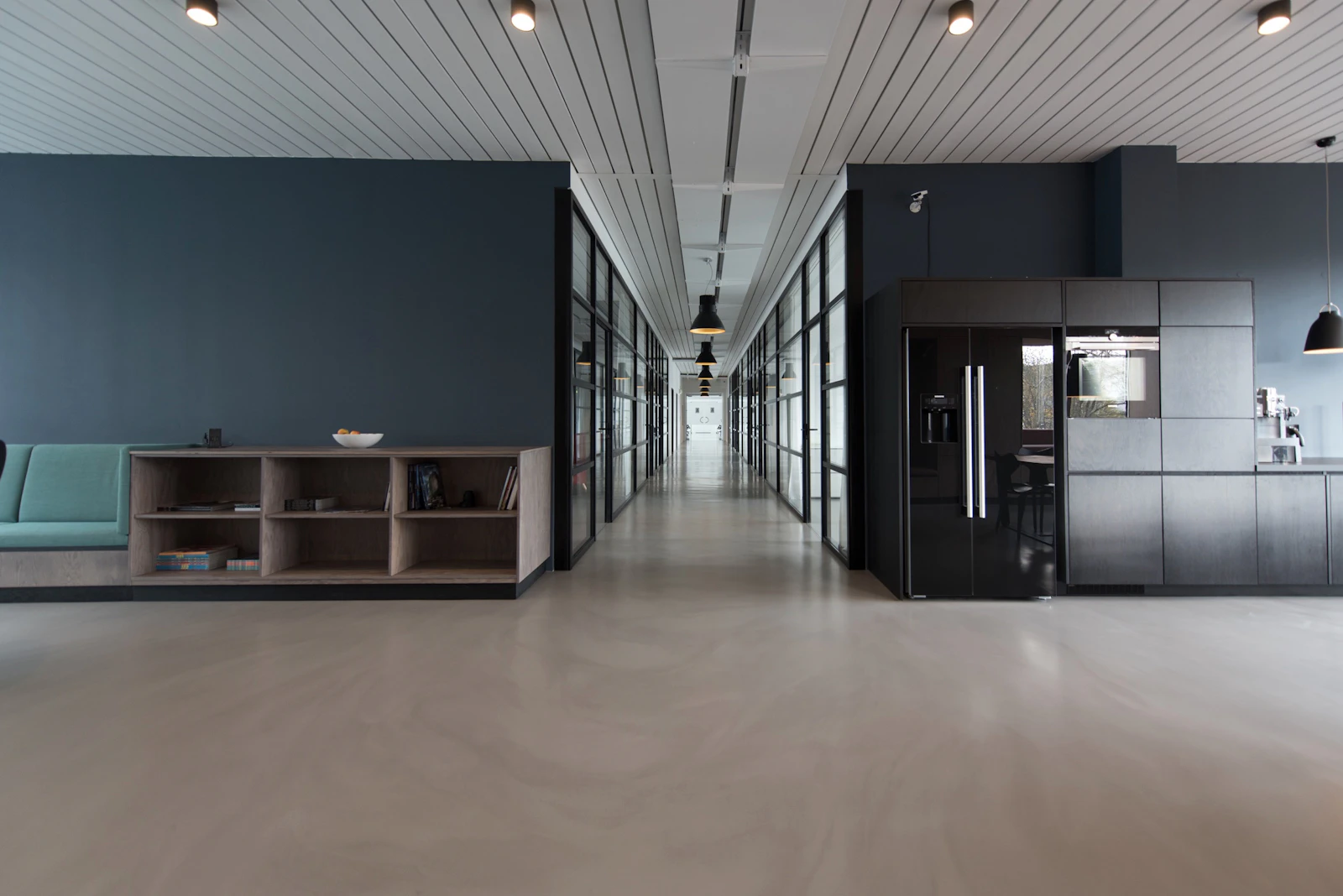
When assessing a space for lease, it’s essential to grasp the difference between usable square feet and rentable square feet, which accounts for the ‘load factor’ or ‘loss factor.’ These terms refer to shared areas in a multi-tenant building, such as lobbies, hallways, restrooms, etc., for which each tenant contributes a pro-rata share. You’ll need to factor these costs into your budget and cost estimates.
There are three primary types of commercial leases:
Full-Service Gross Leases:
- In a full-service gross lease, also known as a gross lease, the landlord charges the tenant a fixed monthly payment that covers all expenses.
- These expenses include property taxes, insurance, maintenance, and common area maintenance fees (CAMs).
- Some gross leases exclude utilities or other tenant expenses, creating ‘modified gross leases.’
- Many tenants prefer gross leases because they provide predictability in expenses.
Percentage Leases:
- Percentage leases are commonly used for retail properties, particularly malls.
- Tenants pay a base rent along with a percentage of their gross sales generated in the building.
- This lease type can benefit tenants looking to keep rental costs low, especially until their revenue increases.
Net Leases:
- Net leases require tenants to pay a base rent and cover specific building-related expenses directly.
- The base rent is typically lower than that of a gross lease, but tenants must budget for utilities, cleaning fees, property taxes, CAMs, and insurance premiums.
- There are three main types of net leases: single-net leases, double-net leases, and triple-net leases.
Single-Net Lease:
- Tenants pay a base rent and their pro-rated share of the building’s property taxes.
- Tenants are also responsible for utilities and janitorial service.
- The landlord covers insurance premiums and CAM charges.
Double-Net Lease (NN Lease):
- This lease charges the tenant a base rent, property taxes, and insurance premiums.
- Tenants also pay for utilities and janitorial expenses.
- Common area maintenance fees are the landlord’s responsibility.
Triple-Net Lease (NNN Lease):
- Tenants pay a base rent, utilities, janitorial expenses, property taxes, insurance premiums, and CAMs.
- The base rent is often lower due to tenants shouldering all property-related charges.
- Triple-net leases are common in commercial real estate.
Absolute Net Lease:
- An uncommon variation where tenants are responsible for rent, expenses, and building repairs, regardless of the property’s condition.
- Even in cases of condemnation or disasters, tenants are responsible for rebuilding.
- This lease type is typically used by landlords with significant property financing, shifting all risk to the tenant.
Regardless of the lease structure, contracts are negotiable. Tenants can find trade-offs or concessions that lead to not only a signed deal but also a positive, long-term relationship. It’s advisable to consult with a tenant representative broker and legal professionals when drafting and negotiating lease terms for a property.
Furthermore, it’s important for tenants to delve deeper into the lease negotiation process to secure terms that align with their business goals and financial capabilities. Here are some additional considerations:
Lease Term: The length of the lease term can significantly impact your business. A longer lease may offer stability but could lock you into a space that may not suit your needs in the future. On the other hand, shorter leases offer flexibility but may result in more frequent relocations and associated costs.
Rent Escalation: Some leases include rent escalation clauses, which stipulate how and when the rent will increase. Understanding these clauses is crucial to anticipate future rent increases and their impact on your budget.
Tenant Improvements: Negotiating tenant improvements (TIs) is essential if you plan to modify or customize the space. Determine who will pay for these improvements and what alterations are allowed under the lease.
Subleasing and Assignments: Consider whether the lease allows for subleasing or assigning your space to another tenant. This flexibility can be valuable if your business circumstances change.
Operating Expenses: In net leases, tenants may be responsible for a share of operating expenses, which can fluctuate over time. Understand how these expenses are calculated and negotiate for caps or limits to avoid unexpected cost increases.
Renewal Options: Review the lease for renewal options, which can provide security and continuity for your business. Ensure you understand the terms and conditions for renewing the lease.
Termination Clauses: Familiarize yourself with the lease’s termination clauses, both for you and the landlord. Knowing your options in case you need to exit the lease prematurely is essential.
Rent Abatement: In certain situations, such as renovations or unexpected disruptions, you may negotiate for rent abatement or temporary rent reductions.
Legal Review: Have the lease agreement reviewed by a legal professional experienced in commercial real estate to ensure that it aligns with your interests and complies with local laws.
Due Diligence: Conduct thorough due diligence on the property, including inspections, to identify any existing issues or maintenance requirements that may affect your tenancy.
Market Trends: Stay informed about local market trends, vacancy rates, and rental price benchmarks to assess whether the lease terms are competitive.
Leasing commercial real estate is a significant commitment, and understanding the lease structure and its implications is paramount. Moreover, building a positive relationship with your landlord can facilitate smoother lease negotiations and address any concerns that may arise during your tenancy. It’s a two-way street where both parties benefit from open communication and a clear understanding of their respective responsibilities.
In summary, while the type of lease is crucial, the negotiation and understanding of lease terms are equally important factors in securing the right space for your business. Professional guidance and thorough research can go a long way in making your leasing experience a successful one.
Commercial diligence in Alberta
Commercial decisions require permitted use, occupancy cost, and parking or loading reality. Pair this article with commercial services and commercial search. Confirm zoning with the municipality and your lawyer—this is not legal advice.
Search live inventory
Use Properties for MLS® homes and commercial real estate and Businesses for operating companies. Enter an MLS® ID in keywords when you already have a listing number.
Area guides before photos
Read area guides to compare commute and lifestyle, then tour shortlisted streets in real weather. Guides are educational—not appraisals.
Offers and conditions in Alberta
Financing, inspection, and condo document conditions are common. Missing a waiver deadline has consequences—calendar every date with reminders.
When to talk with Sanket Patel
Book a free consultation when you want file-specific strategy: offer structure, listing prep, commercial shortlists, or confidential business conversations.
Winter and inspection priorities
Calgary-region freeze–thaw cycles stress roofs, grading, and furnaces. Inspections are visual—not warranties—prioritize water management and major systems.
No outcome guarantees
Market articles cannot promise a price, timeline, or investment return. Confirm numbers with licensed professionals for your transaction.
References: CMHC, City of Calgary, Alberta.ca, CREA. Listing and market comments are educational—not guaranteed.
When you evaluate What type of lease is most common in retail space?, treat local labour, commute, and customer draw as file-specific facts rather than headline provincial averages. Drive the site at shift-change, ask what roles are hard to fill, and compare neighbouring corridors such as Airdrie, north Calgary, and Crossfield before you lock a price. Pair this reading with business listings, MLS® search, and a written condition list so financing, inspection, and document review have calendar dates. Municipal licensing, parking, and permitted use still sit with the town or city—confirm those items with the municipality and your lawyer. Nothing here guarantees a sale price, closing date, or investment return.
A practical next step on What type of lease is most common in retail space? is to build a one-page scorecard: occupancy cost, staff commute, competitor set, and remaining economic life of equipment or tenant improvements. Walk the loading, HVAC, and roof in winter light when you can. If the asset is an operating company, request trailing twelve-month statements under confidentiality and reconcile owner add-backs with a third-party accountant. Residential buyers can use the same discipline on neighbourhood solds versus list prices. Start with area guides and the buyer checklist, then book a consultation when you want offer structure reviewed against Alberta practice.
Financing conversations around What type of lease is most common in retail space? should separate the real estate from the operations. Lenders underwrite collateral, cash flow, and borrower strength differently for a shop, office, or home. CMHC and provincial programs change; verify current rules on CMHC and Alberta.ca rather than relying on a blog date. Keep a buffer for legal, inspection, and moving costs. Search live inventory on properties and services for how files are typically staffed. Educational commentary is not a mortgage pre-approval.
Labour and lifestyle still decide whether What type of lease is most common in retail space? works after closing. Staff who already live along the QEII, Stoney Trail, or a town main street have a different retention profile than a downtown Calgary commute. Visit at 7:30 a.m. and 5:00 p.m. Count parking. Ask about seasonal overtime. Home buyers should repeat the exercise for schools, groceries, and winter sidewalks. Compare Calgary with satellite communities, then shortlist streets—not just listings. Use Calgary properties as a baseline, not a substitute for the town you actually intend to occupy.
Due diligence on What type of lease is most common in retail space? should include insurance history, utility intensity, and any outstanding work orders. Ask for roof age, furnace service, and drainage photos after melt. Commercial and business files add lease abstracts, assignment consent, and employee transition notes. Keep conditions dated, and do not waive them because a competing offer looks loud. Review commercial or brokerage process pages, then speak with licensed professionals who can bind advice to your documents. This article remains general education for Alberta readers.
After you close a file connected to What type of lease is most common in retail space?, the first ninety days are about measurement: actual labour hours, actual traffic, actual occupancy cost versus the worksheet you used in the offer. Residential owners watch utilities, snow, and neighbour patterns. Business owners watch payroll and supplier terms. If numbers diverge, revisit the assumption list with your accountant before you expand. For more inventory or a second location, return to businesses and properties. For a confidential conversation, use contact. No article can promise that your outcome will match a neighbour’s story.
Review item 1 for What type of lease is most common in retail space? focuses on staffing depth across morning and evening shifts. Write the question into your condition list, assign an owner, and keep the calendar visible. Drive the property at commute times, photograph drainage after melt, and keep copies of invoices that support the worksheet. Confirm details with licensed professionals; this paragraph is educational context for Calgary-region and Alberta readers using consultation, area guides, and listing search as next steps. Nothing in this note guarantees price, timeline, or investment return.
Review item 2 for What type of lease is most common in retail space? focuses on customer and staff parking at peak hours. Write the question into your condition list, assign an owner, and keep the calendar visible. Drive the property at commute times, photograph drainage after melt, and keep copies of invoices that support the worksheet. Confirm details with licensed professionals; this paragraph is educational context for Calgary-region and Alberta readers using consultation, area guides, and listing search as next steps. Nothing in this note guarantees price, timeline, or investment return.
Review item 3 for What type of lease is most common in retail space? focuses on utility intensity for heat and process equipment. Write the question into your condition list, assign an owner, and keep the calendar visible. Drive the property at commute times, photograph drainage after melt, and keep copies of invoices that support the worksheet. Confirm details with licensed professionals; this paragraph is educational context for Calgary-region and Alberta readers using consultation, area guides, and listing search as next steps. Nothing in this note guarantees price, timeline, or investment return.
Sources and verifiable context
For What type of lease is most common in retail space?, treat municipal, provincial, and federal pages as the source of truth when rules change. Housing finance vocabulary and product education are published by CMHC; local planning and permit pathways are documented by the City of Calgary and peer Alberta municipalities.
In addition, consumer and business resources on Alberta.ca and REALTOR® / MLS® standards material from CREA help you verify process language. Moreover, listing remarks on this site are believed reliable but not guaranteed—confirm numbers with licensed professionals before you waive conditions or write an offer.
Frequently asked questions
What is What type of lease is most common in retail space??
What type of lease is most common in retail space? is educational Alberta market context for people comparing options in the Calgary region. It is not a substitute for legal, tax, or mortgage advice.
How should I use this article on the Calgary region?
Use it to prepare questions, then verify current rules with the municipality and your professionals. Pair it with live listings and, when relevant, business listings.
Where do I verify lending or housing program details?
Start with CMHC educational pages and your mortgage broker. Program rules change; do not rely on a single blog date.
Where do I verify municipal permits or planning steps?
Use the official municipal site (for Calgary, calgary.ca) and your lawyer. Peer towns publish their own permit pathways.
Does this page guarantee a price or investment return?
No. Educational articles cannot promise price, timeline, or returns. Outcomes depend on financing, diligence, and market conditions at the time of your file.
How do Alberta offer conditions usually work?
Financing, inspection, and condo document conditions are common. Therefore calendar every waiver date. Ask your REALTOR® and lawyer to explain deposit and registration timing.
Should I compare the Calgary region to neighbouring towns?
Yes. When inventory is thin, buyers often cross-shop nearby corridors. Compare commute, taxes, and local solds—not only citywide medians. See area guides.
When should I talk with Sanket Patel?
Book a free consultation when you want offer structure, listing prep, commercial shortlists, or a confidential business conversation. First conversations are obligation-free.