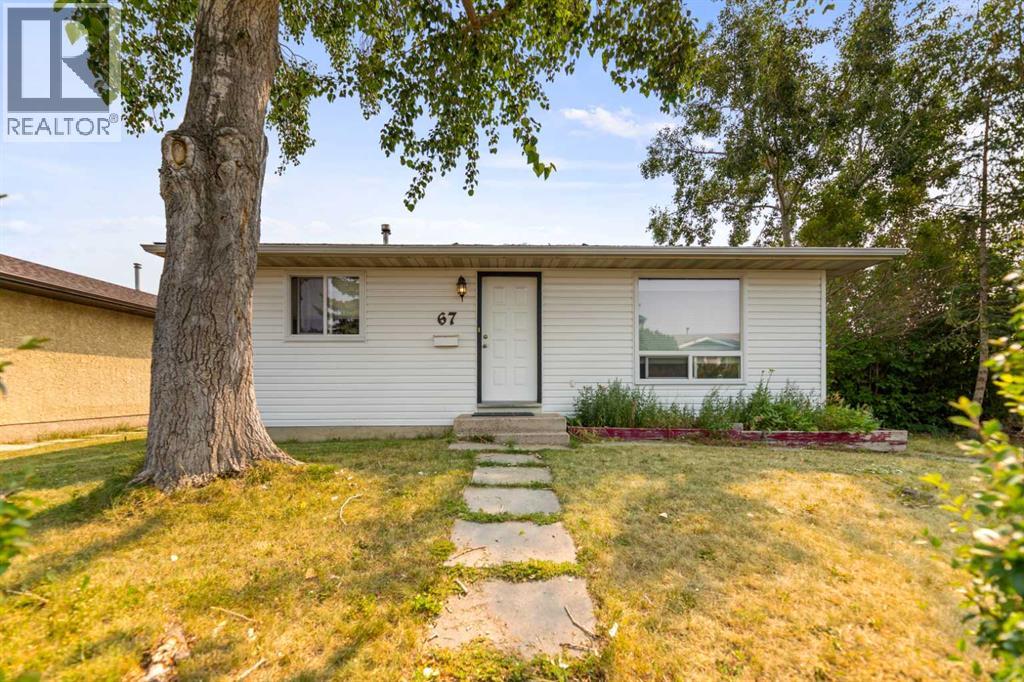
 For Sale$449,000
Area guide
Calgary real estate
Calgary is the largest housing market in southern Alberta, spanning established inner-city communities, newer suburban nodes, and mixed-use corridors that feed the downtown core. Buyers typically weigh commute patterns along Crowchild, Deerfoot, and Stoney Trail alongside schools, parks, and access to the Bow and Elbow river pathways.
Inventory turns over year-round, with spring and early fall often bringing the widest selection of detached homes, townhouses, and condos. Pricing and days-on-market vary sharply by quadrant and property type, so local comparables matter more than citywide averages.
Whether you are relocating for work, upsizing a family home, or evaluating an investment property, a clear brief on neighbourhood fit, budget, and timing helps cut through noise in a deep MLS feed.
Quick facts
- Alberta’s largest urban housing market south of Edmonton, with inventory across all major property types.
- Four primary quadrants (NE, NW, SE, SW) each show distinct price bands and buyer profiles.
- Pathway systems along the Bow and Elbow rivers are a common lifestyle driver for many buyers.
- Transit corridors and ring-road access (Stoney Trail) shape commute trade-offs across the city.
- Seasonality is real: listing volume typically rises in spring, while winter can favour motivated sellers.
- Condo, townhouse, and detached segments often move on different timelines within the same month.
- Last updated: 2026-08-14
Homes for sale in Calgary
1001 active listings
- For Sale$449,000
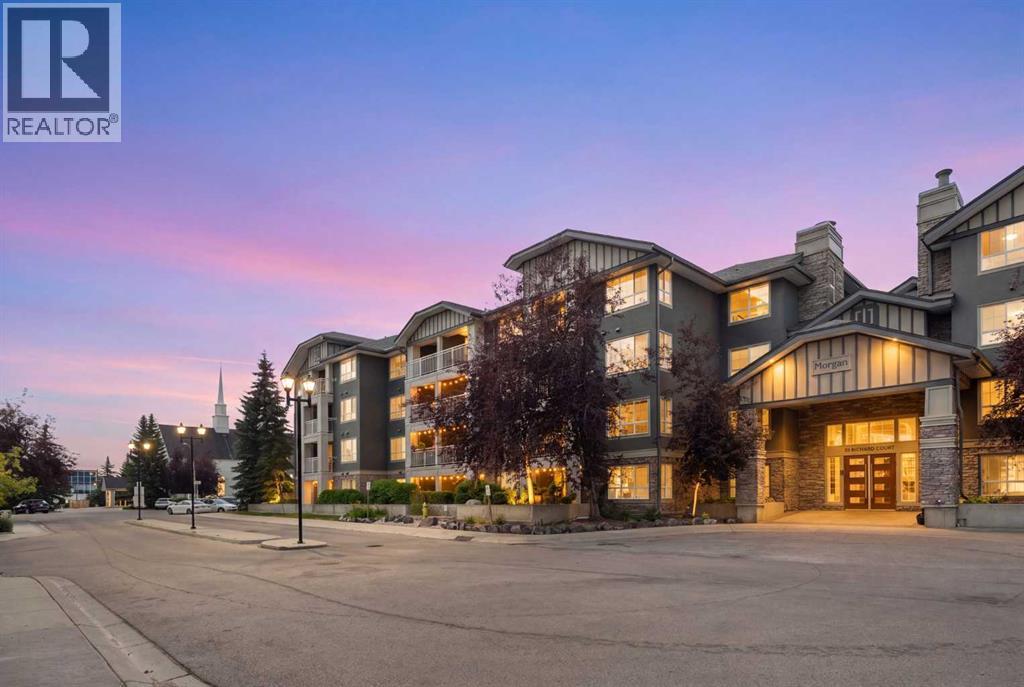 For Sale$279,900
 For Sale$720,000
 For Sale$418,000
 For Sale$529,900
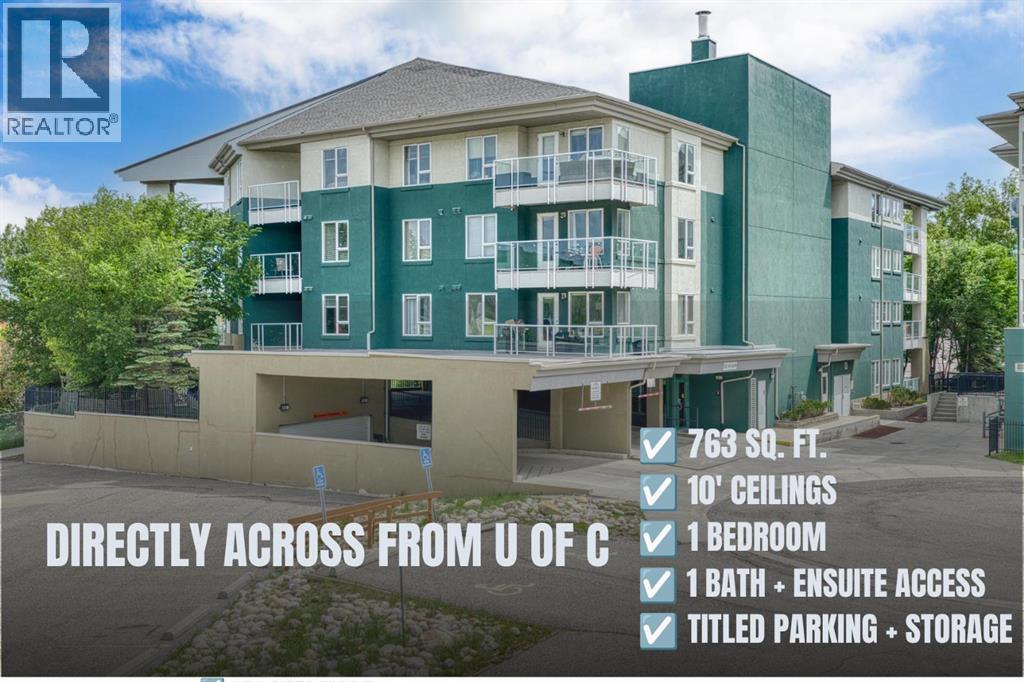 For Sale$277,000
Frequently asked questions
- Is Calgary a good place to buy a home right now?
- It depends on your timeline, financing, and target neighbourhood. Calgary’s size means conditions can differ by quadrant and property type—review recent solds and active competition for the specific area you want before deciding.
- How should I choose a Calgary neighbourhood?
- Start with commute, schools, and housing style, then narrow to a few communities with comparable inventory. Walking a shortlist of streets and checking flood maps, parking, and nearby amenities usually beats relying on citywide averages alone.
- Do Calgary listings update frequently?
- Active MLS listings change throughout the day. Use city and map filters on our listings search, set alerts for your preferred areas, and confirm status with your realtor before booking showings.
Calgary real estate in depth
{{areaTitle}} is part of the Calgary-region housing market Sanket Patel serves regularly. This guide complements live inventory on property search with commute, lifestyle, and diligence notes— not a substitute for a property-specific market analysis.
Commute reality matters in {{areaTitle}}. Drive or transit-test routes at the hours you will actually travel; ring-road access (Stoney Trail, Deerfoot, Crowchild, QEII) shapes daily life as much as square footage.
When {{areaTitle}} inventory is limited, buyers often cross-shop {{compareTowns}}. Compare taxes, lot sizes, and amenity maturity side by side before you expand budget or waive conditions.
Start on Properties for residential and commercial real estate, or Businesses for operating companies. Enter an MLS® number in the keywords field when you already have a listing ID—exact ID searches also surface business-classified rows that would not appear in a default residential lane.
First-time buyers should pair search with the first-time buyer guide and home buyer checklist. Both walk through mortgage readiness, conditions, inspections, and closing vocabulary for Alberta purchases.
Sellers can review why list with us and the marketing plan before requesting a pricing conversation via contact. Marketing improves visibility; it does not guarantee a sale price or timeline.
Alberta freeze–thaw cycles punish neglected grading, roofs, and furnaces. Tour in winter when you can; ask about ice dam history, sump performance, and garage frost heave on older Calgary stock.
Citywide averages hide neighbourhood stories. Detached, townhouse, and condo segments in Calgary can move on different clocks in the same month. Seasonality still matters: spring and early fall often bring more selection; winter can favour prepared buyers who tour in real weather.
Alberta offers commonly include financing, inspection, and (for condos) document review conditions. Deadlines are strict—missing a waiver date has consequences. Never waive protection casually because of social pressure.
When you want file-specific strategy—offer structure, listing prep, commercial use diligence, or a confidential business conversation—use the contact form or call the number in the header. First conversations are educational and obligation-free.
Start on Properties for residential and commercial real estate, or Businesses for operating companies. Enter an MLS® number in the keywords field when you already have a listing ID—exact ID searches also surface business-classified rows that would not appear in a default residential lane.
First-time buyers should pair search with the first-time buyer guide and home buyer checklist. Both walk through mortgage readiness, conditions, inspections, and closing vocabulary for Alberta purchases.
Sellers can review why list with us and the marketing plan before requesting a pricing conversation via contact. Marketing improves visibility; it does not guarantee a sale price or timeline.
Commercial decisions hinge on permitted use, occupancy cost, and parking—not headline rent or price alone. Start with commercial services and commercial listings, then confirm zoning with the municipality and your lawyer.
Business acquisitions require fit, cash-flow realism, and transition planning. Browse businesses for sale, read business brokerage, and expect confidentiality agreements before sensitive financials release.
Alberta freeze–thaw cycles punish neglected grading, roofs, and furnaces. Tour in winter when you can; ask about ice dam history, sump performance, and garage frost heave on older Calgary stock.
Condo buyers should request corporation documents early: reserve fund studies, planned capital projects, and special assessment history. A beautiful kitchen cannot fix a thin reserve.
Alberta offers commonly include financing, inspection, and (for condos) document review conditions. Deadlines are strict—missing a waiver date has consequences. Never waive protection casually because of social pressure.
Inspections are visual and non-invasive. In Calgary, prioritize roofing, attic ventilation, grading, foundation clues, furnace age, and window performance. Older homes may have legacy wiring or plumbing sections worth understanding.
Possession dates often align with month-end rhythms but flexibility can be a negotiating chip. Lawyers handle title, trust funds, and adjustments—confirm wire instructions only through verified channels.
Alberta’s legal process for residential deals typically involves real estate contracts and lawyer-led closings. Procedures differ from other provinces—ask your team to explain deposit handling and registration timing.
Citywide averages hide neighbourhood stories. Detached, townhouse, and condo segments in Calgary can move on different clocks in the same month. Seasonality still matters: spring and early fall often bring more selection; winter can favour prepared buyers who tour in real weather.
Affordability is a household number: stress-tested payments, insurance, condo fees, maintenance, and closing costs—not only list price. CMHC educational material helps with vocabulary; your broker approves the file.
MLS® keyword search accepts addresses and listing IDs. Business inventory often lives on the Businesses hub unless you search by exact listing number on Properties.
Nothing on this site promises a particular purchase, sale, cap rate, or days on market. Outcomes depend on financing, inspection findings, competing offers, and market conditions at the time of your transaction.
When you want file-specific strategy—offer structure, listing prep, commercial use diligence, or a confidential business conversation—use the contact form or call the number in the header. First conversations are educational and obligation-free.
Start on Properties for residential and commercial real estate, or Businesses for operating companies. Enter an MLS® number in the keywords field when you already have a listing ID—exact ID searches also surface business-classified rows that would not appear in a default residential lane.
First-time buyers should pair search with the first-time buyer guide and home buyer checklist. Both walk through mortgage readiness, conditions, inspections, and closing vocabulary for Alberta purchases.
Sellers can review why list with us and the marketing plan before requesting a pricing conversation via contact. Marketing improves visibility; it does not guarantee a sale price or timeline.
Commercial decisions hinge on permitted use, occupancy cost, and parking—not headline rent or price alone. Start with commercial services and commercial listings, then confirm zoning with the municipality and your lawyer.
Business acquisitions require fit, cash-flow realism, and transition planning. Browse businesses for sale, read business brokerage, and expect confidentiality agreements before sensitive financials release.
Alberta freeze–thaw cycles punish neglected grading, roofs, and furnaces. Tour in winter when you can; ask about ice dam history, sump performance, and garage frost heave on older Calgary stock.
Condo buyers should request corporation documents early: reserve fund studies, planned capital projects, and special assessment history. A beautiful kitchen cannot fix a thin reserve.
Alberta offers commonly include financing, inspection, and (for condos) document review conditions. Deadlines are strict—missing a waiver date has consequences. Never waive protection casually because of social pressure.
Inspections are visual and non-invasive. In Calgary, prioritize roofing, attic ventilation, grading, foundation clues, furnace age, and window performance. Older homes may have legacy wiring or plumbing sections worth understanding.
Possession dates often align with month-end rhythms but flexibility can be a negotiating chip. Lawyers handle title, trust funds, and adjustments—confirm wire instructions only through verified channels.
Alberta’s legal process for residential deals typically involves real estate contracts and lawyer-led closings. Procedures differ from other provinces—ask your team to explain deposit handling and registration timing.
Citywide averages hide neighbourhood stories. Detached, townhouse, and condo segments in Calgary can move on different clocks in the same month. Seasonality still matters: spring and early fall often bring more selection; winter can favour prepared buyers who tour in real weather.
Affordability is a household number: stress-tested payments, insurance, condo fees, maintenance, and closing costs—not only list price. CMHC educational material helps with vocabulary; your broker approves the file.
MLS® keyword search accepts addresses and listing IDs. Business inventory often lives on the Businesses hub unless you search by exact listing number on Properties.
Nothing on this site promises a particular purchase, sale, cap rate, or days on market. Outcomes depend on financing, inspection findings, competing offers, and market conditions at the time of your transaction.
When you want file-specific strategy—offer structure, listing prep, commercial use diligence, or a confidential business conversation—use the contact form or call the number in the header. First conversations are educational and obligation-free.
Start on Properties for residential and commercial real estate, or Businesses for operating companies. Enter an MLS® number in the keywords field when you already have a listing ID—exact ID searches also surface business-classified rows that would not appear in a default residential lane.
First-time buyers should pair search with the first-time buyer guide and home buyer checklist. Both walk through mortgage readiness, conditions, inspections, and closing vocabulary for Alberta purchases.
Sellers can review why list with us and the marketing plan before requesting a pricing conversation via contact. Marketing improves visibility; it does not guarantee a sale price or timeline.
Commercial decisions hinge on permitted use, occupancy cost, and parking—not headline rent or price alone. Start with commercial services and commercial listings, then confirm zoning with the municipality and your lawyer.
Business acquisitions require fit, cash-flow realism, and transition planning. Browse businesses for sale, read business brokerage, and expect confidentiality agreements before sensitive financials release.
Alberta freeze–thaw cycles punish neglected grading, roofs, and furnaces. Tour in winter when you can; ask about ice dam history, sump performance, and garage frost heave on older Calgary stock.
Condo buyers should request corporation documents early: reserve fund studies, planned capital projects, and special assessment history. A beautiful kitchen cannot fix a thin reserve.
Alberta offers commonly include financing, inspection, and (for condos) document review conditions. Deadlines are strict—missing a waiver date has consequences. Never waive protection casually because of social pressure.
Inspections are visual and non-invasive. In Calgary, prioritize roofing, attic ventilation, grading, foundation clues, furnace age, and window performance. Older homes may have legacy wiring or plumbing sections worth understanding.
Possession dates often align with month-end rhythms but flexibility can be a negotiating chip. Lawyers handle title, trust funds, and adjustments—confirm wire instructions only through verified channels.
Alberta’s legal process for residential deals typically involves real estate contracts and lawyer-led closings. Procedures differ from other provinces—ask your team to explain deposit handling and registration timing.
Citywide averages hide neighbourhood stories. Detached, townhouse, and condo segments in Calgary can move on different clocks in the same month. Seasonality still matters: spring and early fall often bring more selection; winter can favour prepared buyers who tour in real weather.
Affordability is a household number: stress-tested payments, insurance, condo fees, maintenance, and closing costs—not only list price. CMHC educational material helps with vocabulary; your broker approves the file.
MLS® keyword search accepts addresses and listing IDs. Business inventory often lives on the Businesses hub unless you search by exact listing number on Properties.
Nothing on this site promises a particular purchase, sale, cap rate, or days on market. Outcomes depend on financing, inspection findings, competing offers, and market conditions at the time of your transaction.
When you want file-specific strategy—offer structure, listing prep, commercial use diligence, or a confidential business conversation—use the contact form or call the number in the header. First conversations are educational and obligation-free.
Start on Properties for residential and commercial real estate, or Businesses for operating companies. Enter an MLS® number in the keywords field when you already have a listing ID—exact ID searches also surface business-classified rows that would not appear in a default residential lane.
First-time buyers should pair search with the first-time buyer guide and home buyer checklist. Both walk through mortgage readiness, conditions, inspections, and closing vocabulary for Alberta purchases.
Sellers can review why list with us and the marketing plan before requesting a pricing conversation via contact. Marketing improves visibility; it does not guarantee a sale price or timeline.
Commercial decisions hinge on permitted use, occupancy cost, and parking—not headline rent or price alone. Start with commercial services and commercial listings, then confirm zoning with the municipality and your lawyer.
Business acquisitions require fit, cash-flow realism, and transition planning. Browse businesses for sale, read business brokerage, and expect confidentiality agreements before sensitive financials release.
Alberta freeze–thaw cycles punish neglected grading, roofs, and furnaces. Tour in winter when you can; ask about ice dam history, sump performance, and garage frost heave on older Calgary stock.
Condo buyers should request corporation documents early: reserve fund studies, planned capital projects, and special assessment history. A beautiful kitchen cannot fix a thin reserve.
Authoritative references: CMHC (housing finance education), City of Calgary (permits and planning), Alberta.ca (provincial consumer resources), and CREA (REALTOR® and MLS® standards). Listing content on this site is believed reliable but not guaranteed.
Frequently asked questions
- Is this content legal or financial advice?
- No. Pages and posts are educational. Confirm numbers and contracts with your lender, lawyer, accountant, and licensed REALTOR®.
- Can I browse listings without signing anything?
- Yes. Public search is open. Representation begins when you are ready to tour, list, or discuss a specific file.
- Do you work outside Calgary?
- Calgary and nearby Alberta markets are routine; business brokerage can span the province. Share your city or MLS® number to confirm coverage.
- Is listing data guaranteed accurate?
- No. Content is provided via CREA DDF® and is believed reliable but not guaranteed. Verify details before you write an offer.
- How do I book a consultation?
- Use <a href="/contact">contact</a> or call the phone number in the site header. First conversations are obligation-free.
- Where are the long-form buyer and seller guides?
- See <a href="/p/buy/first-time-buyer">first-time buyer</a>, <a href="/p/buy/home-buyers-checklist">buyer checklist</a>, <a href="/p/sell/why-list-with-us">seller overview</a>, and <a href="/p/sell/marketing-plan">marketing plan</a>.